Buy sp-dg.be ?
We are moving the project
sp-dg.be .
Are you interested in purchasing the domain
sp-dg.be ?
domain@kv-gmbh.de · 0541-91531010
Buy sp-dg.be ?
Why is the Baltic Sea called the Baltic Sea in Germany and not the Baltic Sea?
The Baltic Sea is called the "Ostsee" in Germany because "Ost" means east in German, referring to the sea's location to the east of Germany. The term "Baltic Sea" is more commonly used in English-speaking countries, while the name "Ostsee" is used in German-speaking regions to differentiate it from other seas. The name "Baltic Sea" comes from the Baltic region, which includes countries like Estonia, Latvia, and Lithuania that border the sea. **
North Sea or Baltic Sea?
It ultimately depends on personal preference and what one is looking for in a coastal destination. The North Sea is known for its rugged coastline, strong winds, and sandy beaches, making it popular for water sports and outdoor activities. On the other hand, the Baltic Sea offers calmer waters, picturesque fishing villages, and historic towns, making it a more tranquil and relaxing option for those seeking a peaceful seaside retreat. Both seas have their own unique charm and attractions, so the choice between the two would depend on individual preferences. **

Similar search terms for Baltic
Top-Angebote
Products related to Baltic:


-
Why is the Baltic Sea called the Baltic Sea, even though it is a sea?
The Baltic Sea is called a sea because it is a large body of saltwater that is partially enclosed by land. The term "Baltic" refers to the region surrounding the sea, including countries like Sweden, Denmark, Germany, Poland, Finland, Estonia, Latvia, Lithuania, and Russia. Therefore, the name Baltic Sea reflects its geographical location and the countries that border it. **
-
What is a Baltic Sea climate?
The Baltic Sea climate is characterized by cool summers and cold winters, with relatively mild temperatures due to the moderating influence of the sea. The region experiences frequent precipitation throughout the year, with the highest amounts occurring in the late summer and early autumn. The climate is also influenced by the sea ice cover in the winter, which can affect the temperature and weather patterns in the surrounding areas. Overall, the Baltic Sea climate is a maritime climate with relatively mild temperatures and moderate precipitation. **
-
How is the Baltic Sea used?
The Baltic Sea is used for various purposes including shipping and transportation of goods, fishing, tourism, and recreation. It serves as an important trade route for countries bordering the sea, facilitating the movement of goods and commodities. The sea also supports a thriving fishing industry, providing a source of livelihood for many communities. Additionally, the Baltic Sea is a popular destination for tourists, offering opportunities for sailing, boating, and beach activities. Overall, the Baltic Sea plays a significant role in the economic, social, and environmental aspects of the countries surrounding it. **
-
Why is the Baltic Sea not turquoise?
The Baltic Sea is not turquoise because of its high concentration of algae and phytoplankton, which give it a greenish-brown color. These organisms thrive in the nutrient-rich waters of the Baltic Sea, leading to the water appearing green rather than turquoise. Additionally, the shallow depth of the Baltic Sea allows sunlight to penetrate the water, promoting the growth of these organisms and contributing to its distinct color. **


Is there schnapps for the Baltic Sea?
Yes, there is a type of schnapps called "Baltic Sea schnapps" which is a traditional alcoholic beverage in the Baltic region. It is typically made from grains or potatoes and flavored with various herbs and spices. **
Are there turtles in the Baltic Sea?
Yes, there are turtles in the Baltic Sea. The most common species found in the Baltic Sea is the loggerhead sea turtle. These turtles are known to occasionally migrate into the Baltic Sea from the Atlantic Ocean. However, they are not native to the area and their presence is relatively rare. **
Top-Angebote
Products related to Baltic:
-
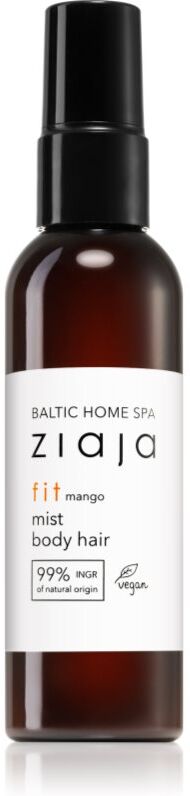
Ziaja Baltic Home Spa Fit Mango brume corps et cheveux parfums Mango 90 mlZiaja Baltic Home Spa Fit Mango, 90 ml, Brumes parfumées pour femme, Le spray pour le corps Ziaja Baltic Home Spa Fit Mango exerce une action rafraîchissante et hydratante immédiate. Quel que soit le moment de la journée, il booste la peau et lui procure une agréable sensation de fraîcheur, comme si vous sortiez tout juste de la douche. Le produit : rafraîchit et dynamise maintient la vitalité et l’apparence saine de la peau hydrate et adoucit sent bon Composition du produit : produit végétalien contient au minimum 99 % d'ingrédients naturels Mode d’emploi : Appliquez à tout moment de la journée.2,97 €*Shipping: 3,45 €Secure redirect to the provider
-
Romp Switch Air TechnologyLe Switch Air Technology de Romp s’allume doucement et diffuse une sensation d’air pulsé qui intrigue dès le premier contact. Ce petit stimulateur attire la curiosité, puis révèle toute sa subtilité. Léger, compact et intuitif, il s’adresse à toutes celles qui veulent explorer de nouvelles formes25,49 €*Shipping: 0,00 €Secure redirect to the provider
-
Why is the Baltic Sea called the Baltic Sea in Germany and not the Baltic Sea?
The Baltic Sea is called the "Ostsee" in Germany because "Ost" means east in German, referring to the sea's location to the east of Germany. The term "Baltic Sea" is more commonly used in English-speaking countries, while the name "Ostsee" is used in German-speaking regions to differentiate it from other seas. The name "Baltic Sea" comes from the Baltic region, which includes countries like Estonia, Latvia, and Lithuania that border the sea. **
-
North Sea or Baltic Sea?
It ultimately depends on personal preference and what one is looking for in a coastal destination. The North Sea is known for its rugged coastline, strong winds, and sandy beaches, making it popular for water sports and outdoor activities. On the other hand, the Baltic Sea offers calmer waters, picturesque fishing villages, and historic towns, making it a more tranquil and relaxing option for those seeking a peaceful seaside retreat. Both seas have their own unique charm and attractions, so the choice between the two would depend on individual preferences. **
-
Why is the Baltic Sea called the Baltic Sea, even though it is a sea?
The Baltic Sea is called a sea because it is a large body of saltwater that is partially enclosed by land. The term "Baltic" refers to the region surrounding the sea, including countries like Sweden, Denmark, Germany, Poland, Finland, Estonia, Latvia, Lithuania, and Russia. Therefore, the name Baltic Sea reflects its geographical location and the countries that border it. **
-
What is a Baltic Sea climate?
The Baltic Sea climate is characterized by cool summers and cold winters, with relatively mild temperatures due to the moderating influence of the sea. The region experiences frequent precipitation throughout the year, with the highest amounts occurring in the late summer and early autumn. The climate is also influenced by the sea ice cover in the winter, which can affect the temperature and weather patterns in the surrounding areas. Overall, the Baltic Sea climate is a maritime climate with relatively mild temperatures and moderate precipitation. **
Similar search terms for Baltic
-
How is the Baltic Sea used?
The Baltic Sea is used for various purposes including shipping and transportation of goods, fishing, tourism, and recreation. It serves as an important trade route for countries bordering the sea, facilitating the movement of goods and commodities. The sea also supports a thriving fishing industry, providing a source of livelihood for many communities. Additionally, the Baltic Sea is a popular destination for tourists, offering opportunities for sailing, boating, and beach activities. Overall, the Baltic Sea plays a significant role in the economic, social, and environmental aspects of the countries surrounding it. **
-
Why is the Baltic Sea not turquoise?
The Baltic Sea is not turquoise because of its high concentration of algae and phytoplankton, which give it a greenish-brown color. These organisms thrive in the nutrient-rich waters of the Baltic Sea, leading to the water appearing green rather than turquoise. Additionally, the shallow depth of the Baltic Sea allows sunlight to penetrate the water, promoting the growth of these organisms and contributing to its distinct color. **
-
Is there schnapps for the Baltic Sea?
Yes, there is a type of schnapps called "Baltic Sea schnapps" which is a traditional alcoholic beverage in the Baltic region. It is typically made from grains or potatoes and flavored with various herbs and spices. **
-
Are there turtles in the Baltic Sea?
Yes, there are turtles in the Baltic Sea. The most common species found in the Baltic Sea is the loggerhead sea turtle. These turtles are known to occasionally migrate into the Baltic Sea from the Atlantic Ocean. However, they are not native to the area and their presence is relatively rare. **
* All prices are inclusive of VAT and, if applicable, plus shipping costs. The offer information is based on the details provided by the respective shop and is updated through automated processes. Real-time updates do not occur, so deviations can occur in individual cases. ** Note: Parts of this content were created by AI.